Google Ads or Meta Ads: which should a Kolkata small business start with?
If you run a small business in Kolkata and can fund only one ad platform, the choice between Google Ads and Meta Ads comes down to how your customer finds you. This guide separates what Google and Meta officially say from what agency blogs estimate, so you can start with a small budget and clear expectations.
Google Ads and Meta Ads do two different jobs
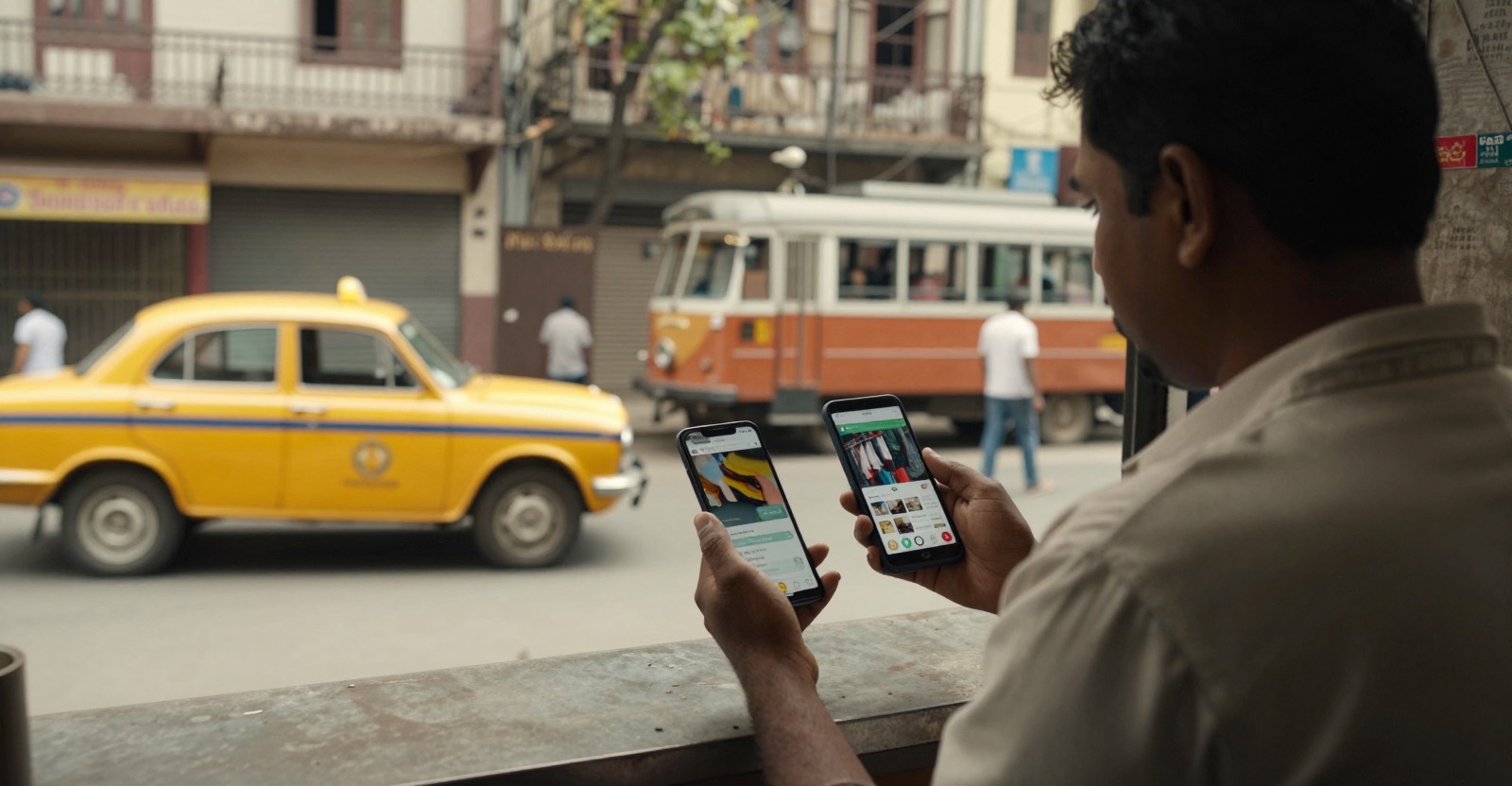
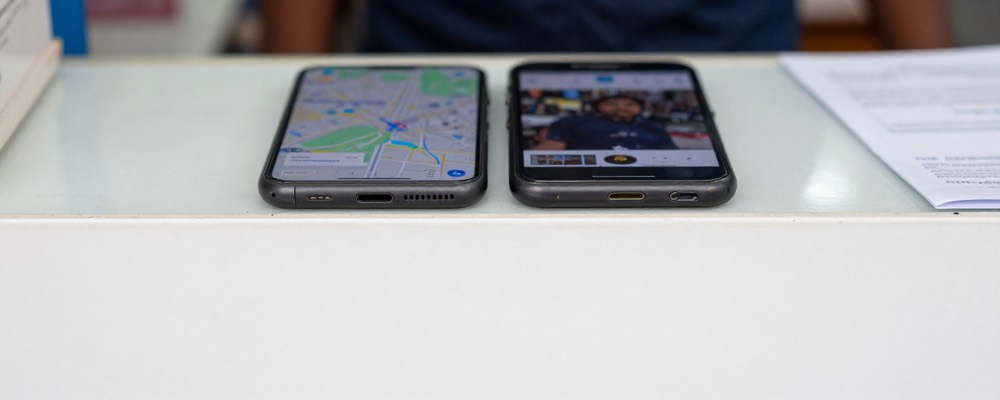
The simplest way to choose between Google Ads and Meta Ads in Kolkata is to ask where your customer is when the need appears. On Google Search, someone is already typing a need, and your ad captures demand that exists. On Facebook and Instagram, nobody asked for you. Your ad appears in a feed and has to create the demand.
Both platforms are large. DataReportal’s Digital 2026 report for India puts Instagram’s advertising reach at 481 million, Facebook’s at 403 million and YouTube’s at 500 million, on data as of October 2025. These are national advertising reach figures, not active users, and they are not Kolkata numbers.
The formats a small business will meet first
- Google Search campaigns. Text ads shown against keywords you choose.
- Performance Max. Google describes this as a goal-based campaign type that reaches all Google Ads inventory from one campaign: YouTube, Display, Search, Discover, Gmail and Maps. Google positions it to complement keyword-based Search campaigns, and when a query matches an exact-match keyword, the Search campaign is prioritised.
- Click-to-WhatsApp ads on Meta. Vendor guides describe a Facebook or Instagram ad whose button opens a WhatsApp chat with a pre-filled message that the person still has to send. This suits how many Indian customers like to enquire, but we could not read Meta’s own help page, so treat the details as secondary.
Advertising reach in India
Which platform fits which kind of Kolkata business
The table below is our reasoning from how each platform works. No source we found has measured platform fit for Kolkata businesses, so use it as a starting point, not as data.
| Kind of business | Likely first platform | Why |
|---|---|---|
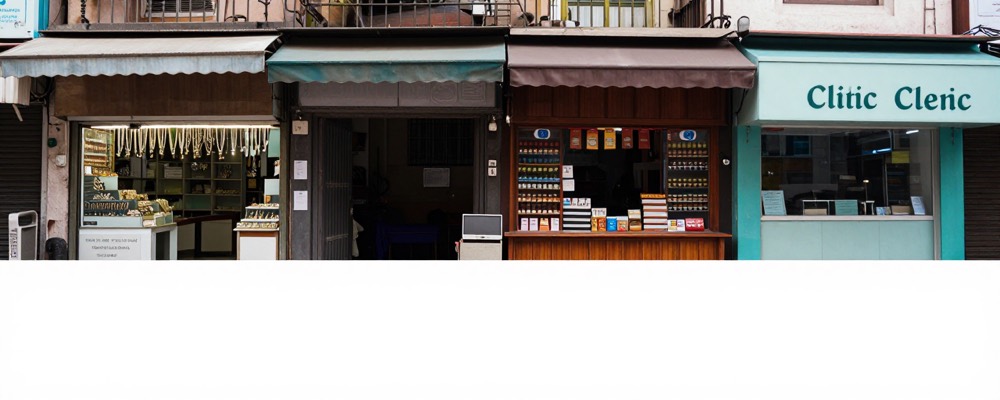
| Clinics and diagnostics, coaching admissions, repair and professional services | Google Search | The need is urgent or researched, and people type clear search phrases |
| Jewellery, sarees and boutique retail, restaurants and cafes, festive offers for Durga Puja or wedding season | Meta with click-to-WhatsApp | The purchase is visual, impulse-led or tied to an occasion |
| Real estate projects and other high-ticket, long-cycle services | Usually both, in phases | Meta lead forms or WhatsApp for volume, Search for higher-intent enquiries |
If you are unsure, ask one question. Would a stranger in Salt Lake or Behala type what you sell into Google today? If yes, start with Search. If they would only want it after seeing it, start with Meta.
What it costs: budgets and benchmarks for a small business
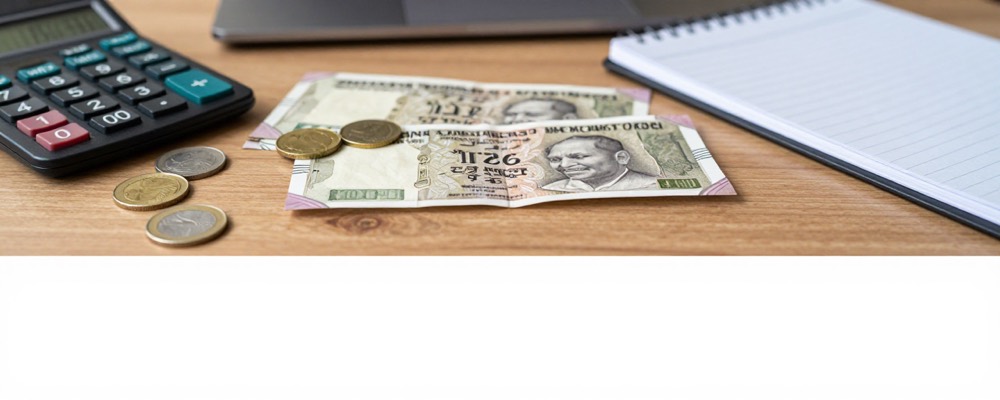
We found no official rupee minimum for either platform. Google’s Performance Max budget panel shows up to three daily budget suggestions with forecasts, and Google says the lower level is the minimum recommended budget for that campaign. It publishes no fixed INR figure on that page.
For Meta, agency estimates suggest a floor of roughly $1 a day for impression-based delivery and $5 a day for click or conversion optimisation. Rupee minimums quoted by blogs range from ₹65 a day to ₹80 to ₹100 a day, with “practical” starting points around ₹10,000 a month. None of this is Meta policy that we could confirm.
Agency benchmarks, and why they disagree
| Metric (India, agency estimates) | Range quoted | Source |
|---|---|---|
| Facebook cost per click | ₹2 to ₹25 | ProductGrowth |
| Instagram cost per click | ₹6 to ₹55 | ProductGrowth |
| Meta cost per 1,000 impressions | ₹50 to ₹120 in one source, ₹45 to ₹400 in another | OwlClaw, ProductGrowth |
| Google Ads cost per click, healthcare | ₹25 to ₹60 | OwlClaw, Sotros Infotech, upGrowth |
| Google Ads “average” cost per click | ₹8 to ₹25 in one source, ₹20 to ₹150 in another |
Every number in this table is vendor-grade. One older page lists Meta costs about ten times lower than the others, and no source offers Kolkata or West Bengal figures. Plan with ranges, then replace them with two to four weeks of your own account data.
GST, billing and TDS: sort this out before the first rupee
Google’s position is clear and official. Accounts served by Google India Private Limited are charged GST on all purchases. Advertisers with a bill-to address in Haryana see CGST 9% plus SGST 9%, and advertisers elsewhere see IGST 18%. A West Bengal business therefore pays 18% IGST on top of ad spend, so ₹10,000 of clicks means ₹11,800 leaving the bank.
- Google says GSTINs are mandatory for business accounts and optional for individual accounts.
- Google also says it cannot modify or re-issue previously finalised invoices for tax ID changes. If input tax credit matters to you, add the GSTIN before spending.
- If an agency runs the account, the bill-to name, address and GST details must match the company that is paying.
Meta is less clear. A mirror of Meta’s help text says Facebook ads in India are sold by Facebook India, billed in rupees and subject to 18% GST, but we could not read Meta’s own page, and at least one blog gives a conflicting account. Check your Meta invoice with your accountant.
On TDS, Indian tax blogs commonly state 2% under section 194C on payments to Google India, but this is tax-blog content. We read no government source, and thresholds are unconfirmed. Ask your CA whether it applies to you.
What Rs 10,000 of Google clicks costs a West Bengal business
Learning periods: the rule that shapes a small budget
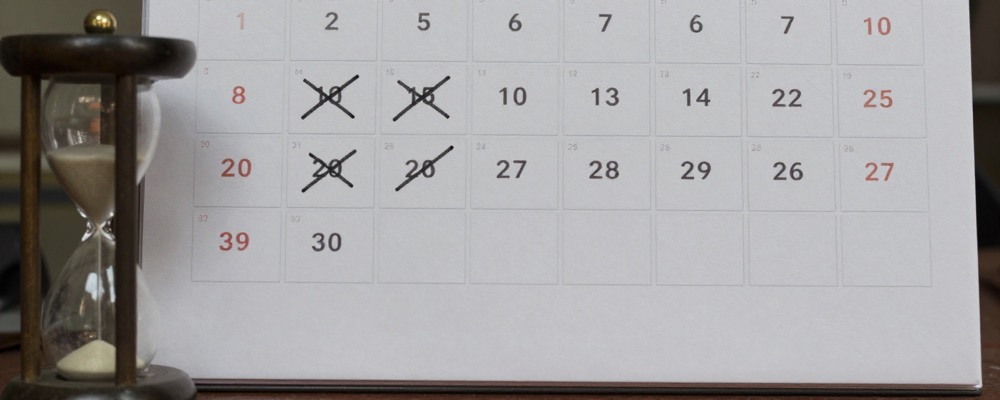
Both platforms need time and data before delivery settles. Google’s help page on Smart Bidding says the “Learning” status never lasts more than 7 days, ads keep running during it, and performance typically converges within 1 to 2 conversion cycles. After that, Google suggests judging results over 2 conversion cycles or a 2 week window, whichever is longer.
One common piece of agency advice is to never touch a budget during learning. Google’s own page says otherwise: budget, target, creative and targeting changes never remove historical data or trigger Learning status. Structural changes do, such as new bid strategies, added or removed campaigns and keywords, and goal changes. Many blogs also still quote an older figure of 50 conversion events, which trade coverage says Google reworded in 2026.
For Meta, third-party sources citing its Help Centre say an ad set needs about 50 optimisation events within 7 days of its last significant edit, or it is labelled “Learning Limited”. We could not read Meta’s page to confirm the wording. A vendor rule of thumb turns this into a daily budget: target cost per result, times 50, divided by 7. It is not Meta policy.
The practical lesson for a Kolkata shop with a small budget: put the money into one or two ad sets and optimise for a cheaper, more frequent event such as a WhatsApp conversation or a lead, instead of splitting it thin.
A first-month plan for a Kolkata small business
- Pick one action. Decide whether you want a call, a WhatsApp chat or a form fill, and measure only that.
- Pick one platform. Use the fit table above. Search for needs people type, Meta for things people want once they see them.
- Fix billing first. Add your GSTIN and correct bill-to details before any spend.
- Keep the structure small. One campaign, one or two ad sets or ad groups, and a handful of honest creatives. Good photos and short reels matter more on Meta, and a fast, clear landing page matters more on Google.
- Leave the structure alone. Avoid structural changes while the campaign is learning, and judge it over the longer of 2 conversion cycles or 2 weeks on Google.
- Review your own numbers. After two to four weeks, look at your cost per enquiry and how many enquiries were genuine, then decide whether to add the second platform.
What we could not verify
We would rather tell you where the evidence stops than fill the gaps with confident guesses.
- Meta’s own wording. Meta’s help pages on the learning phase, click-to-WhatsApp setup and India GST and TDS could not be read directly. Every Meta rule here comes from secondary sources and should be checked in your own account.
- Official minimum budgets. No official INR minimum was found for Google or Meta.
- Independent benchmarks. We found no non-vendor India cost benchmark for 2025 to 2026, and no Kolkata or West Bengal ad cost data in any source.
- TDS on ad spend. The section, rate, thresholds and whether it applies to small businesses outside tax audit are unconfirmed.
- WhatsApp conversation charges. Vendor sources disagree on the free conversation window after an ad click, so we have left the figures out.
- Lead quality. We found no official Meta comparison of Instant Forms and click-to-WhatsApp lead quality.
- Widely repeated claims. Statistics about how many Indians chat with businesses each week could not be traced to a primary source, so we have not quoted them.
How ScaleCine can help
For a small Kolkata business, ScaleCine would normally scope paid ads as one platform, one campaign and one measurable action to begin with, so the spend stays small enough to learn from. We would set up billing and GST details correctly, prepare a limited set of creatives, and agree in writing what will be delivered and when it will be reviewed.
We do not promise leads, rankings or returns. What we can commit to is a clear scope, careful checks before launch and a plain report of what your own account data shows. To talk it through, message us on WhatsApp at +91 97759 04441 or use the contact page.
ScaleCine sells the services discussed here, so read this as a supplier's view. See our Google & Meta Ads service or message us on WhatsApp with your budget and deadline.
Sources
- Google Ads Help, About Performance Max campaigns (2026)
- Google Ads Help, Taxes in your country: India (2026)
- Google Ads Help, Duration of the learning period (2026)
- DataReportal, Digital 2026: India (5 Nov 2025)
- PPC News Feed, Google shortens Smart Bidding adjustment period (Aug 2026)
- PPC Land, Learning phase (trade coverage, undated)
- Meta Business Help Centre, learning phase page (title only readable, 2026)
- Meta Business Help Centre, About India's Goods and Services Tax (title only readable, 2026)
- Mirror of Meta help text on India GST (unverified, undated)
- eChai Ventures, India GST and Meta ads (vendor, conflicting account, undated)
- eChai Ventures, Budget needed per ad set to exit learning (vendor, undated)
- Telecrm, WhatsApp ads guide (vendor, 2026)
- Vizup, Meta ads minimum budget requirements (vendor, 2026)
- upGrowth, Facebook advertising pricing (vendor, older page)
- ProductGrowth, Meta ads CPM India (vendor, updated May 2026)
- OwlClaw, Meta ads benchmarks India (vendor, 2025 standards)
- OwlClaw, PPC benchmarks India (vendor, undated)
- Sotros Infotech, Google Ads cost per lead India benchmarks (vendor, 2026)
- upGrowth, Google Ads pricing India (vendor, 2026)
- ClearTax, GST and TDS on Google Ads (tax blog, undated)